The control valve is the end effector in the automatic control system, which regulates the production process by receiving signals. The control valve has high stability. What are the common fault causes of the control valve? How to adjust the control valve in actual production? The following article answers these questions well.
1、 About regulating valve
The control valve is the end effector in the automatic control system, which regulates the production process by receiving signals. The control valve has high stability, low price, fire and explosion-proof functions. It can be used with pneumatic and electric regulating instruments, with high degree of automation.
The advantages of the control valve in use are as follows:
1. Agile, able to complete all kinds of rules and regulations in time.
2. Used with large cylinder, it has large torque driving force;
3. In the harsh working environment, the performance is stable and the operation is normal.
4. High safety performance.
The normal operation and agility of the control valve will have a direct impact on the production quality and efficiency. Therefore, it is particularly important to analyze the influencing factors of the failure of the control valve in the use process and the countermeasures.
2、 Common faults and their influencing factors
1. Jamming
The problems often occur in the control valve when it is blocked, which often occurs in the system newly put into operation and the period when it is put into operation again after overhaul. This is due to the accumulation of welding slag, iron filings and other impurities in the pipe at the throttle and guide position, resulting in blockage.
After blocking, the medium will not flow smoothly or the packing of the regulating valve is too tight during maintenance, which will increase the friction, resulting in the phenomenon of small signal not acting and large signal acting too much.
2. Leakage of control valve
The leakage of control valve generally includes internal leakage, packing leakage, and leakage caused by deformation of valve core and valve seat.
(1) Valve leakage is due to the improper length of the valve stem. The length of the valve stem of the air opening valve is too long, which makes the distance of the valve stem upward or downward too short, resulting in the gap between the valve core and the valve seat, and there is no complete contact, resulting in valve internal leakage.
(2) Packing leakage, packing into the stuffing box, will exert axial pressure on the control valve. Due to the plastic deformation of the packing, radial pressure will be generated, and the valve rod is in close contact, but the contact is not uniform.
During the operation of the control valve, the valve stem and packing will move axially. Under the high temperature and high pressure environment, it is easy to leak the packing due to the influence of high permeability fluid medium.
(3) Valve core and seat deformation, leakage, erosion and impact, so that deformation, with the passage of time, will produce the valve core and seat mismatch phenomenon, there is a gap between them, resulting in leakage.
3. Control valve oscillation
The reasons for the oscillation of the control valve are that the spring stiffness of the control valve is insufficient, the output signal of the control valve is unstable, and the frequency of the control valve is the same as that of the system, and the pipeline and base vibrate violently.
There are also improper selection of the control valve. When the control valve operates at a small opening, severe changes in flow resistance, velocity and pressure will occur. When this change exceeds the stiffness of the control valve, the stability of the control valve will be reduced, and in serious cases, the control valve will oscillate.
4. Control valve does not operate
The failure phenomena of the control valve not acting include:
(1) No signal, no air source. The reason is that the air source is not opened or the air source fails, the air pipe is blocked or the pressure reducing valve is blocked, and the compressor has fault light;
(2) There is air source and no signal. The reason is that the positioner breaks down due to the leakage of bellows, or the converter fails;
(3) There is no air source for the positioner. The reason is that the filter and pressure reducer are blocked and fail;
(4) The positioner has air supply but no output. The reason is that the throttle hole of the positioner is blocked and the fault occurs;
(5) There's a signal, no action. The reason is that the valve core falls off and the valve stem is bent or broken.



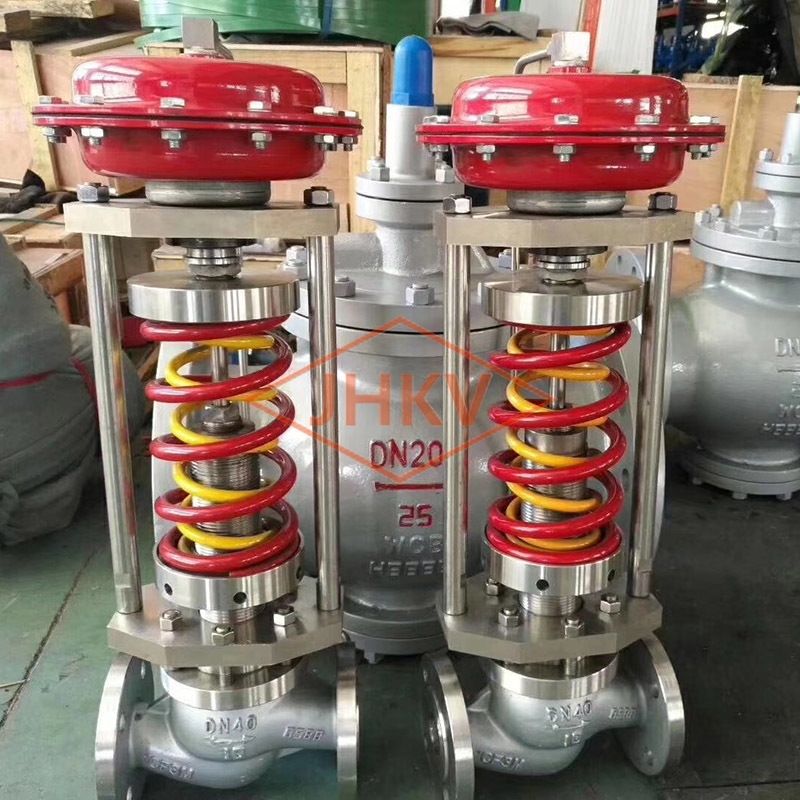 Self-actuated regulator
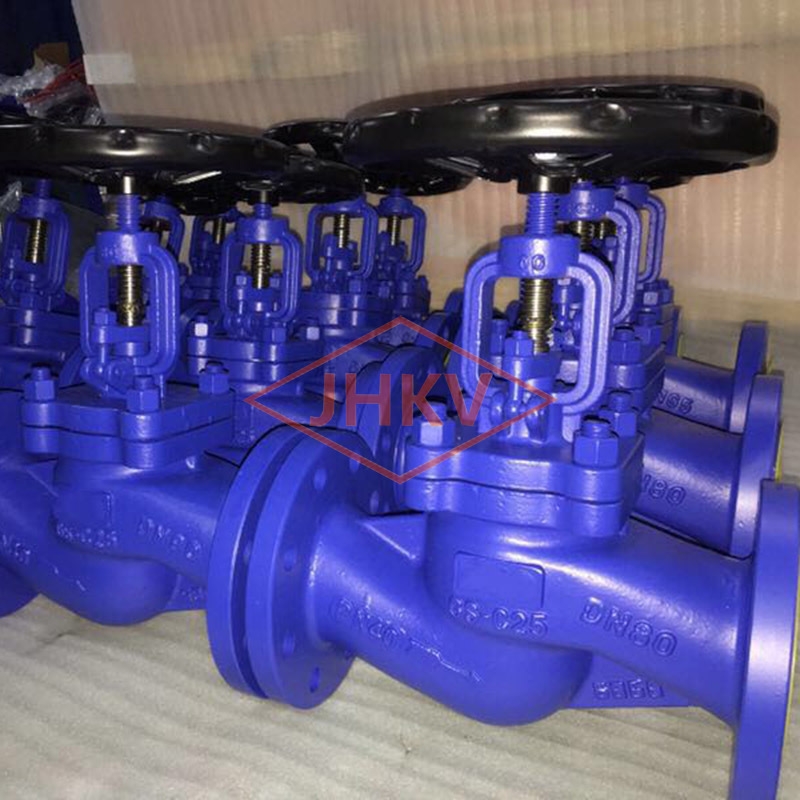 DIN Globe Valve
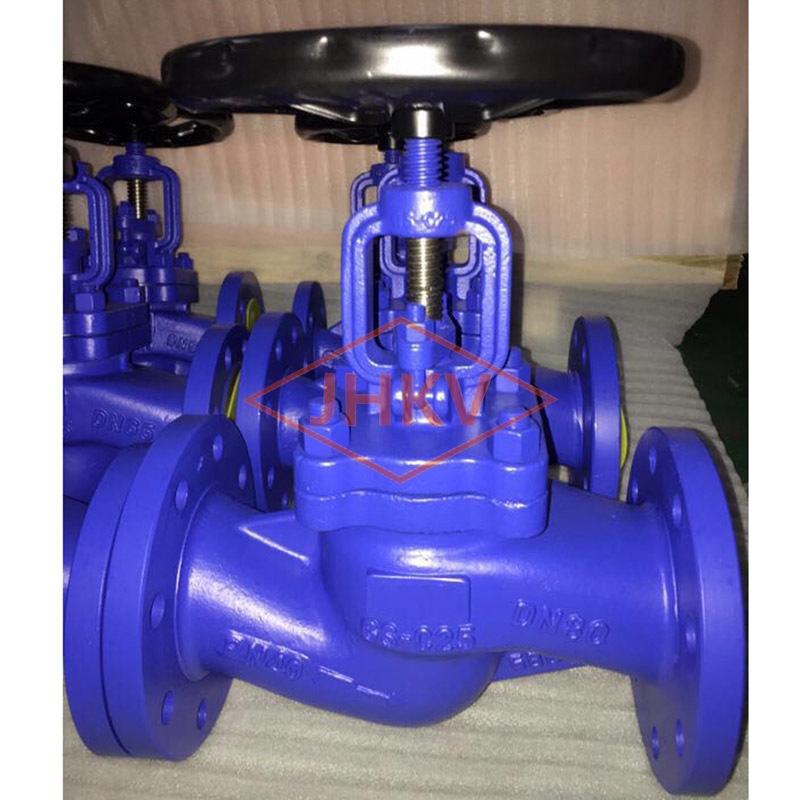 DIN Globe Valve
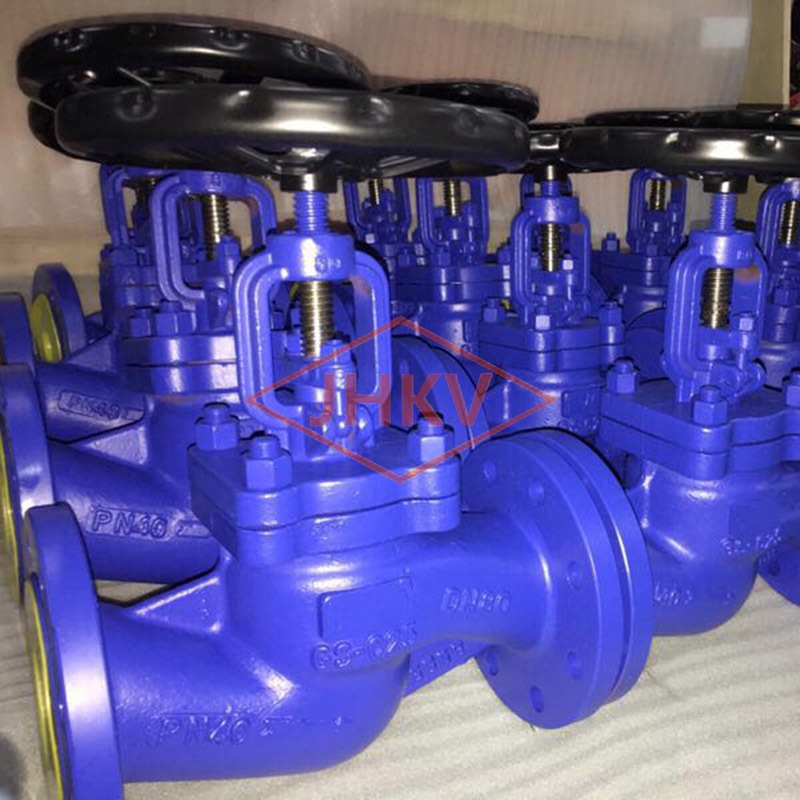 DIN Globe Valve
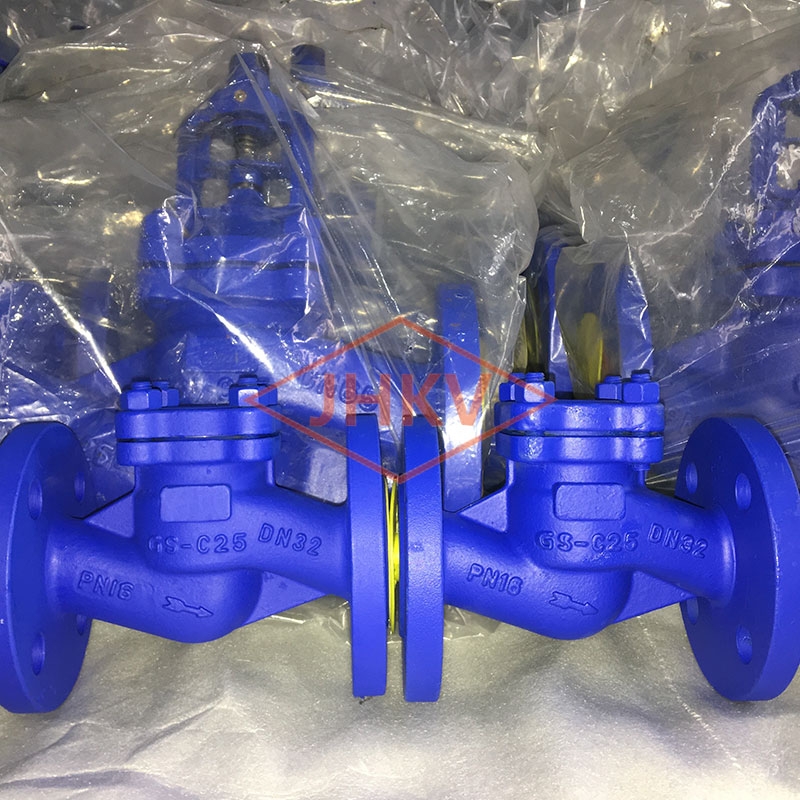 DIN CHECK VALVE
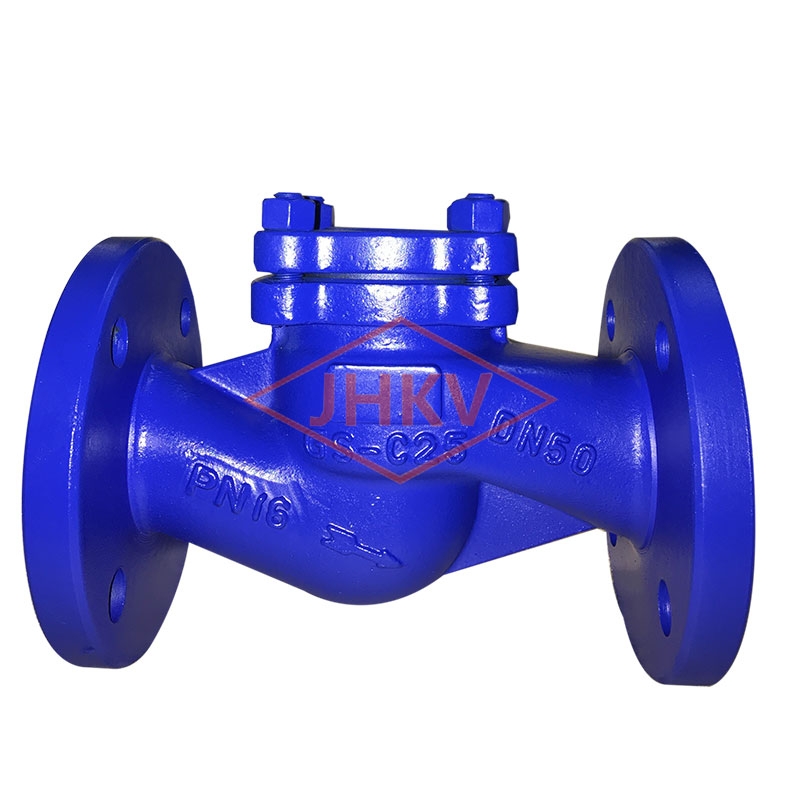 DIN CHECK VALVE
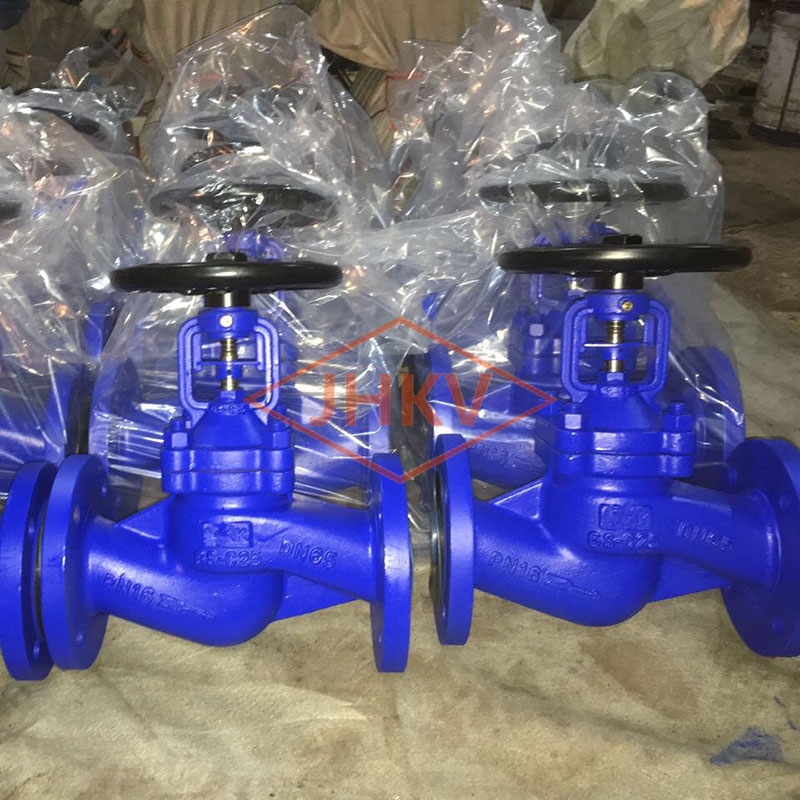 DIN Bellows Globe Valve
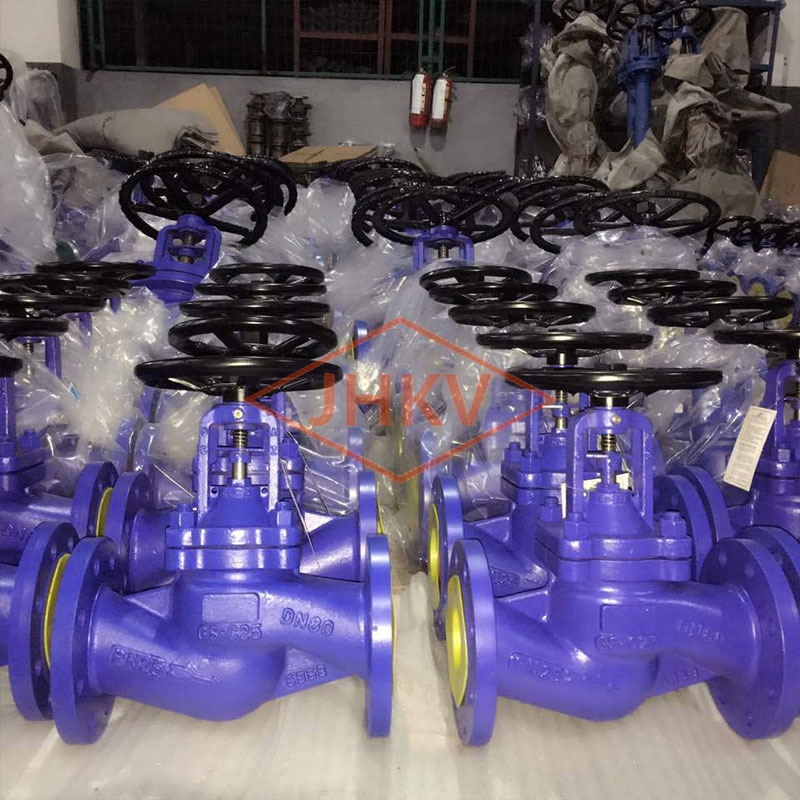 DIN Bellows Globe Valve
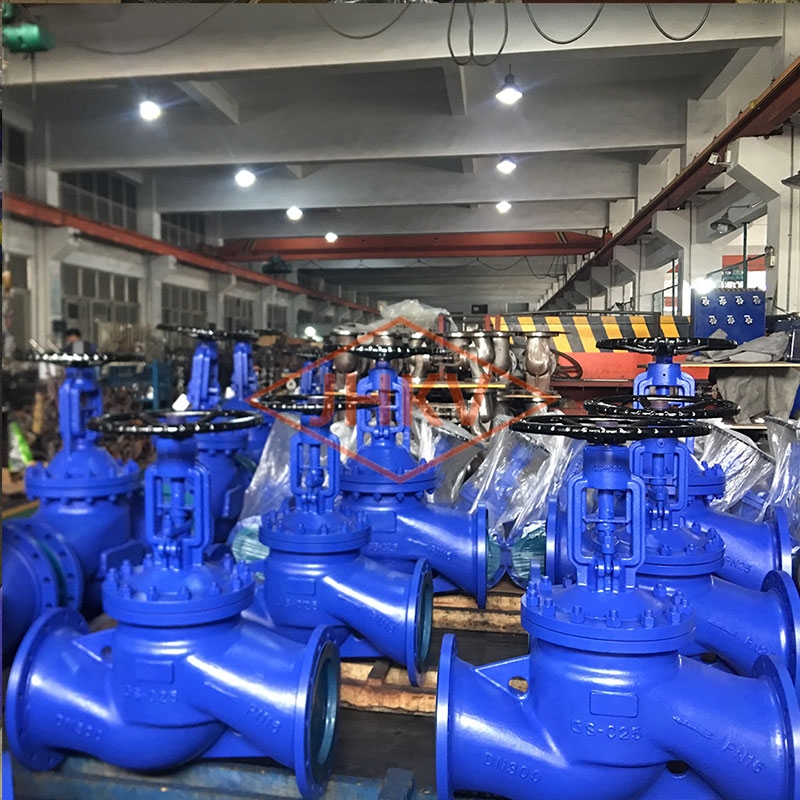 DIN Bellows Globe Valve
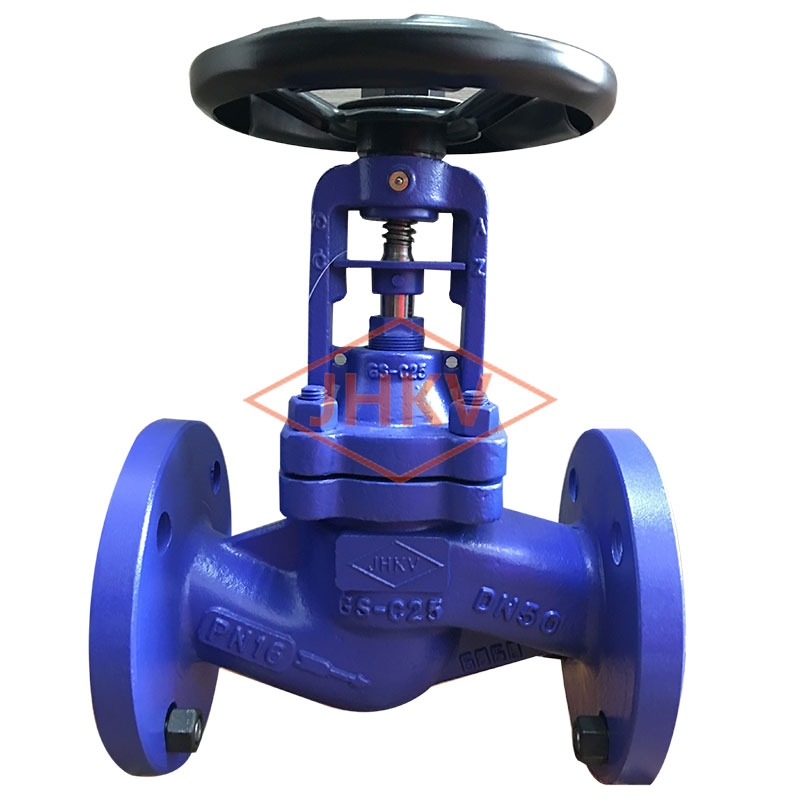 DIN Bellows Globe Valve